Slow is fast
A rescue dog arrives with a history you cannot see. Even a dog who was loved and lost has been through kennels, a van, strange smells and a stranger holding the lead. The first weeks are the least representative weeks of your dog’s whole life, so resist the urge to judge character, and resist the urge to show them everything at once.
Think of it as jet lag plus a new job plus a new house, all at once. Rest is not wasted time. A dog who spends week one sleeping on a familiar blanket will be braver in week three than a dog who was marched around the neighbourhood to meet everybody.
The 3-3-3 rule, plainly
You will see this everywhere, and it is a useful rough map, not a promise:
- First 3 days: overwhelmed. Shut down, hiding, not eating much, no toilet in the garden yet. Give space, quiet and routine.
- First 3 weeks: settling. Testing the rules, some regression, maybe a first snap at another dog or a person. Keep life small and predictable.
- First 3 months: feeling at home. Personality comes out, bonds form, and the real training starts.
Plenty of dogs run on a different clock. A puppy mill dog or a long-stay kennel dog may take far longer. There is no prize for being ahead of schedule.
Set up the safe base
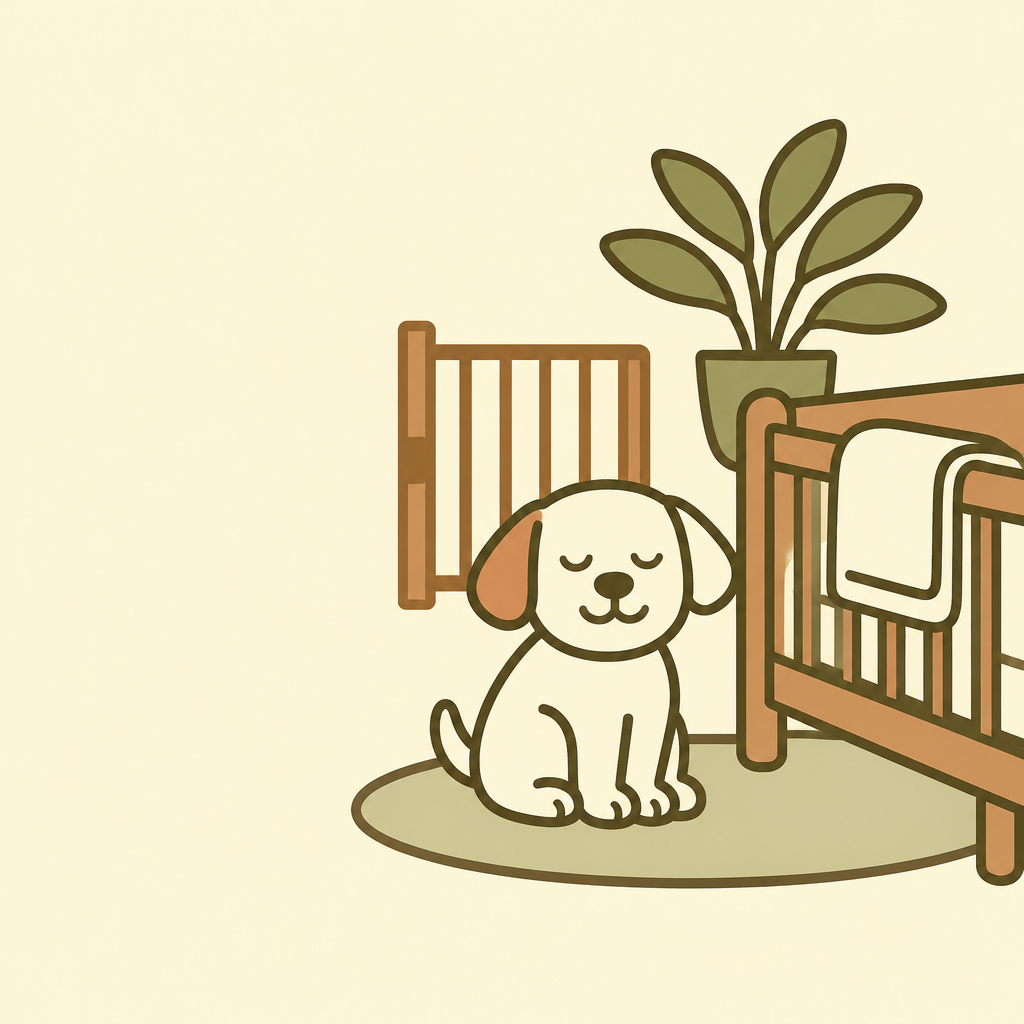
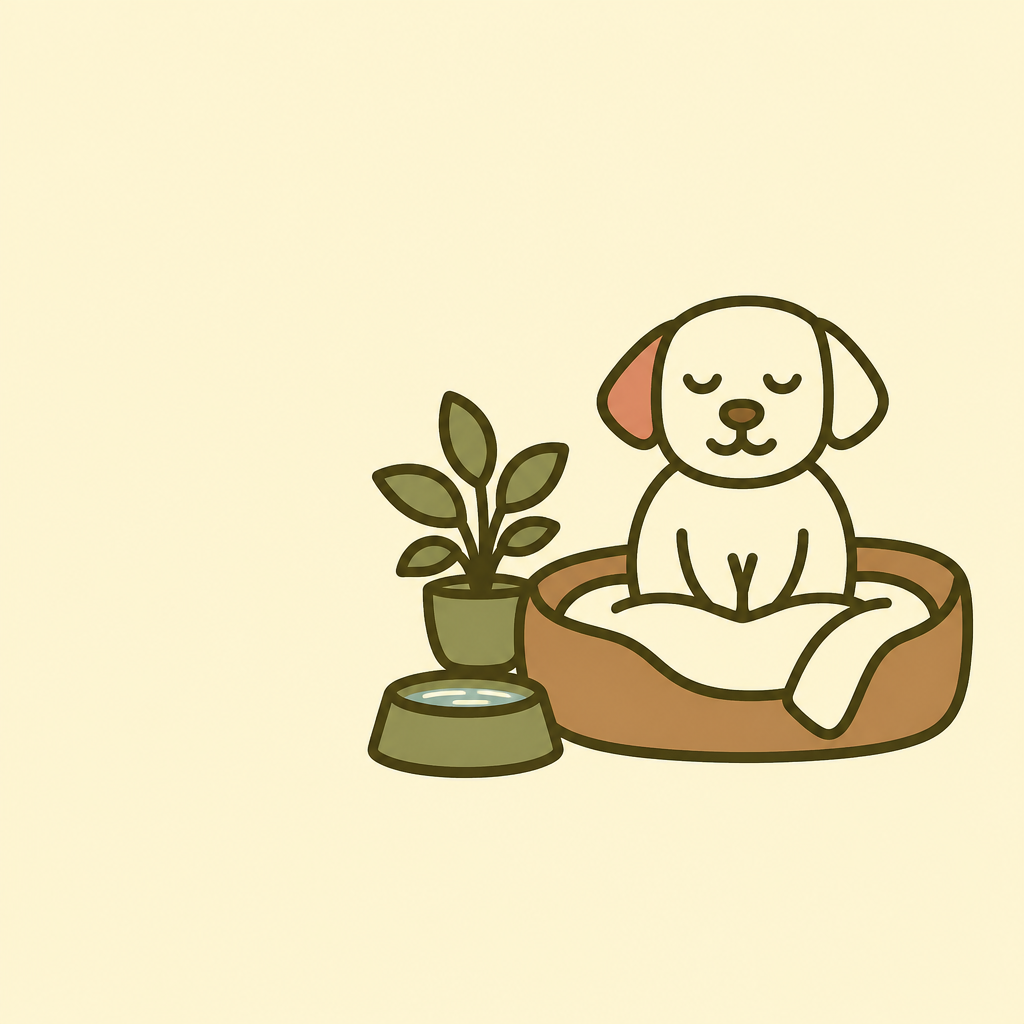
Pick a low-traffic room, not the hallway everyone walks through. Put a bed in a corner with a wall behind it, a bowl of water nearby, and something that smells of comfort. Cover a crate or use a pen if your dog prefers a roof over their head, and leave the door open so they can choose.
For the first few days, feed meals near the bed, sit quietly on the floor nearby, and talk softly. Do not loom over your dog to pet them. Let them come to you.
Walks, without the world tour
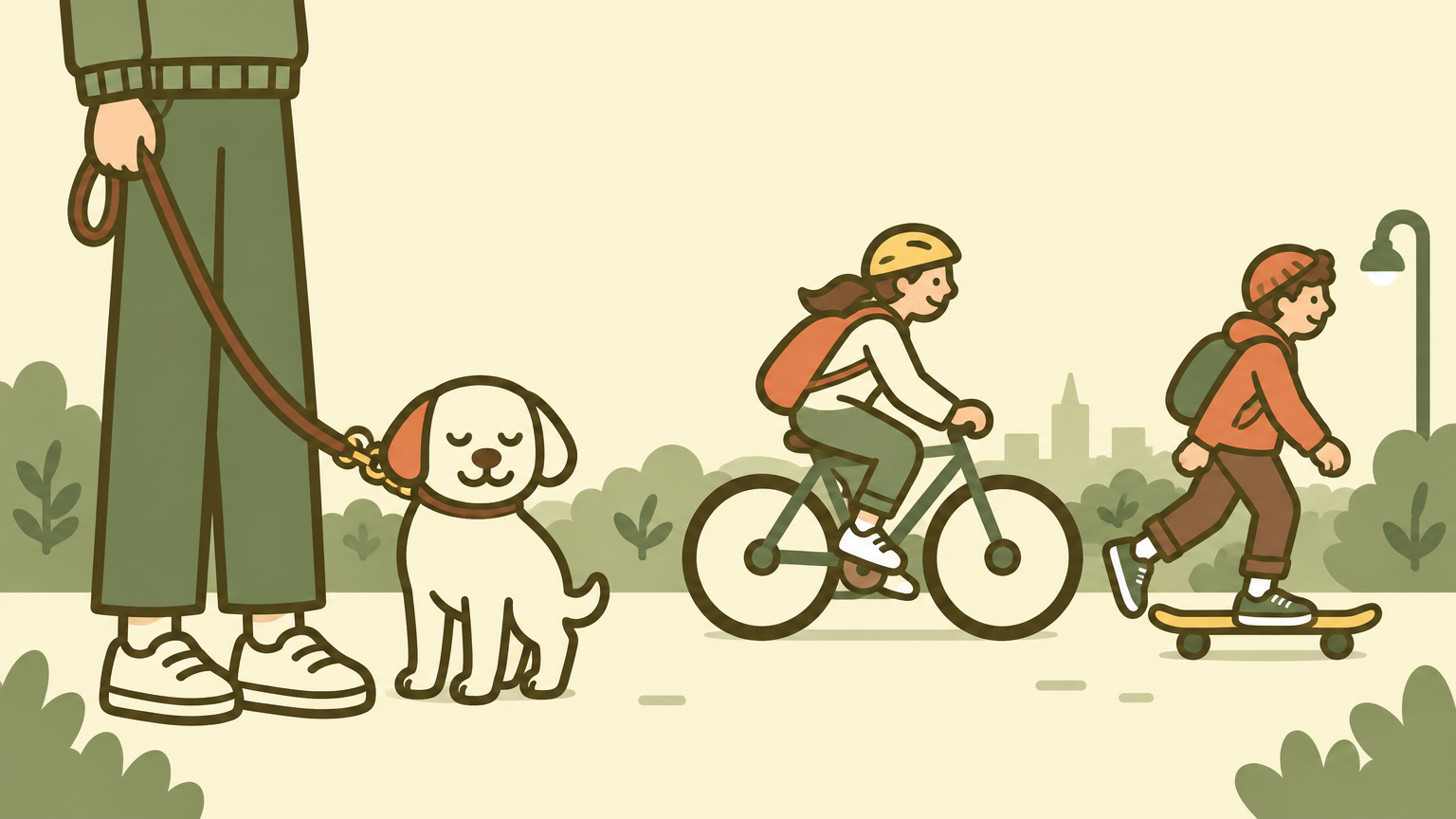
Short, quiet and boring beats long and busy. Ten minutes on the same street, at the same time, teaches your dog that the area is predictable. Let them sniff. Sniffing lowers the heart rate and tells you far more about your dog than a brisk march does.
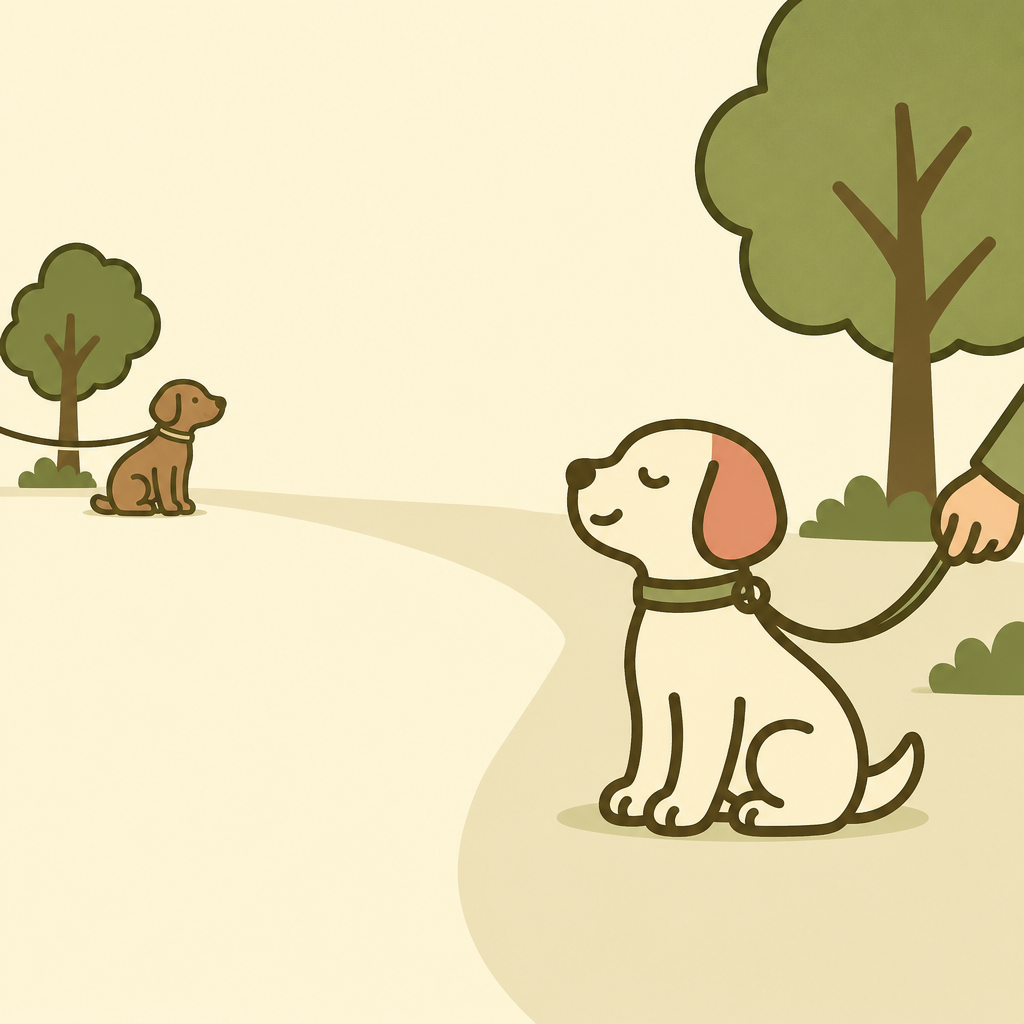
Avoid the dog park, the busy high street and the family barbecue for now. If your dog freezes on the pavement, that is not stubbornness, it is overload. Turn around, go home, try a shorter version tomorrow.
Double up on safety: a well-fitted harness, a collar with an ID tag, and a slip lead or second connection as backup for the first weeks, since newly adopted dogs can bolt when startled. An AirTag is not a substitute for a microchip, but it is a helpful extra.

Waterproof AirTag collar holder
Cheap peace of mind during the escape-risk weeks, while the microchip details are still being updated.
Meeting people, slowly
Ask visitors to ignore your dog completely: no eye contact, no reaching, no baby talk. Let your dog approach first, and if they do not, that is a complete answer. Toss a treat behind your dog rather than toward the visitor, so approaching stays their choice.
Children are the hardest case, because they move fast and stare. Keep introductions short and supervised, one child at a time, with the dog free to walk away.
Feeding, chewing and the settling help
Appetite often dips for a few days. Offer small, tempting meals, keep the food the shelter used if you can, and do not stand over the bowl. If your dog will not eat for more than a day, ring the rescue or your vet.
Chewing and licking are genuine settling tools, not treats. A stuffed KONG or a snuffle mat gives a nervous dog a safe, repetitive job and a reason to stay in the room with you.
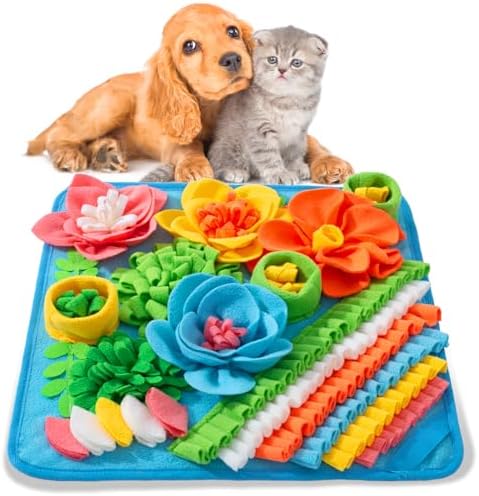
Snuffle mat for dogs
Scattering kibble in a snuffle mat turns a meal into ten minutes of calm sniffing.

KONG Easy Treat paste, liver
Easy to squirt into a KONG for a long-lasting settle, and useful for rewarding brave choices.

Relax Rover Buddy Budder calming peanut butter
A peanut butter made for stuffing into a KONG, with added calming ingredients. Check the label with your vet first if your dog has allergies or is on medication.
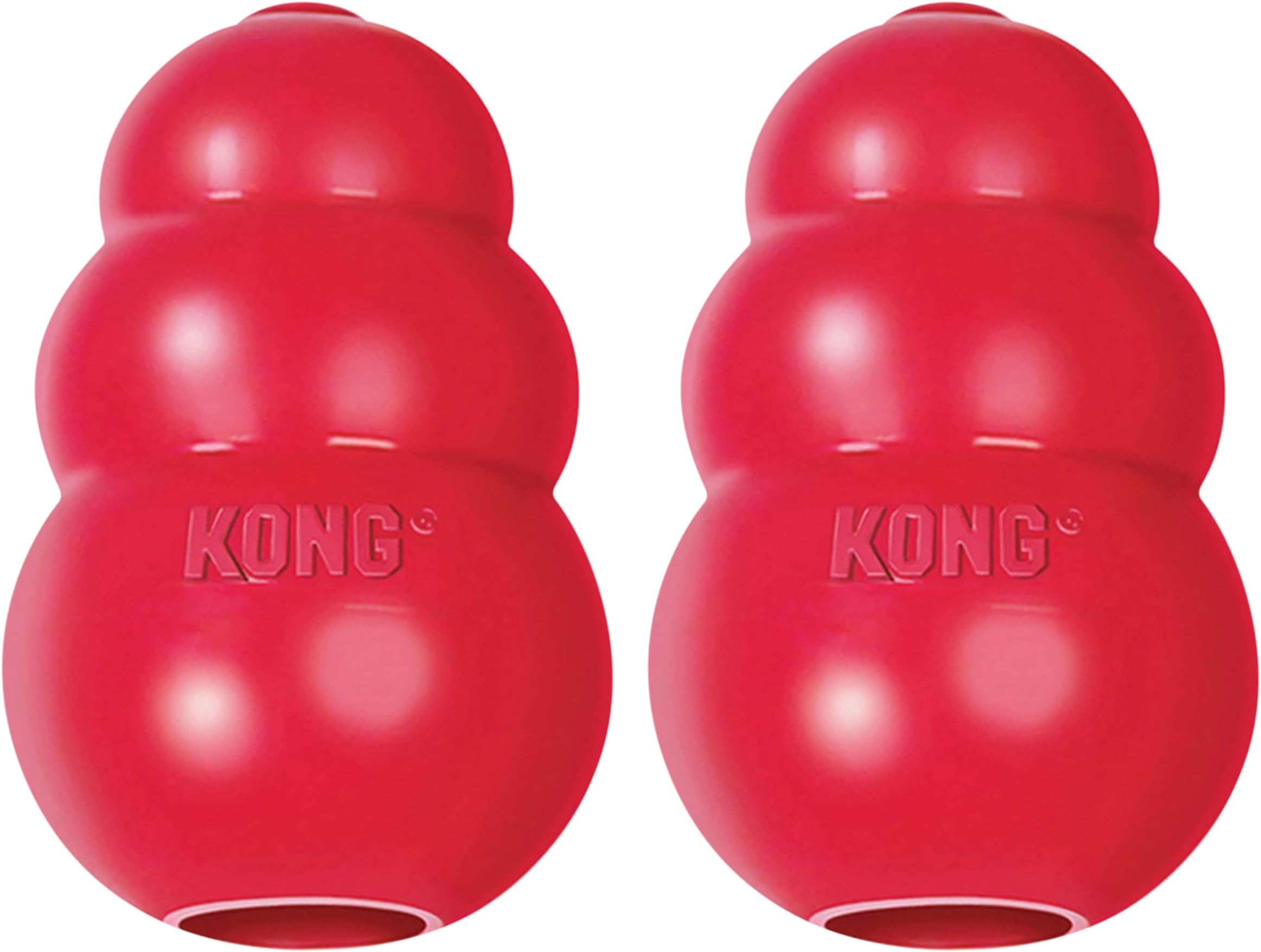
KONG Classic stuffable toy, 2-pack
The classic rubber KONG, in a two-pack so one can be in the wash while the other is filled. Stuff it, freeze it, and it becomes a long, calm job.

ThunderShirt calming vest
Some dogs relax in a snug vest during the transition. Introduce it slowly, with treats, not on day one.
What to leave until later
- Off-lead freedom anywhere unsecured, including the garden if the fence is not yet checked
- Grooming, baths and nail trims beyond what is necessary, unless your vet advises otherwise
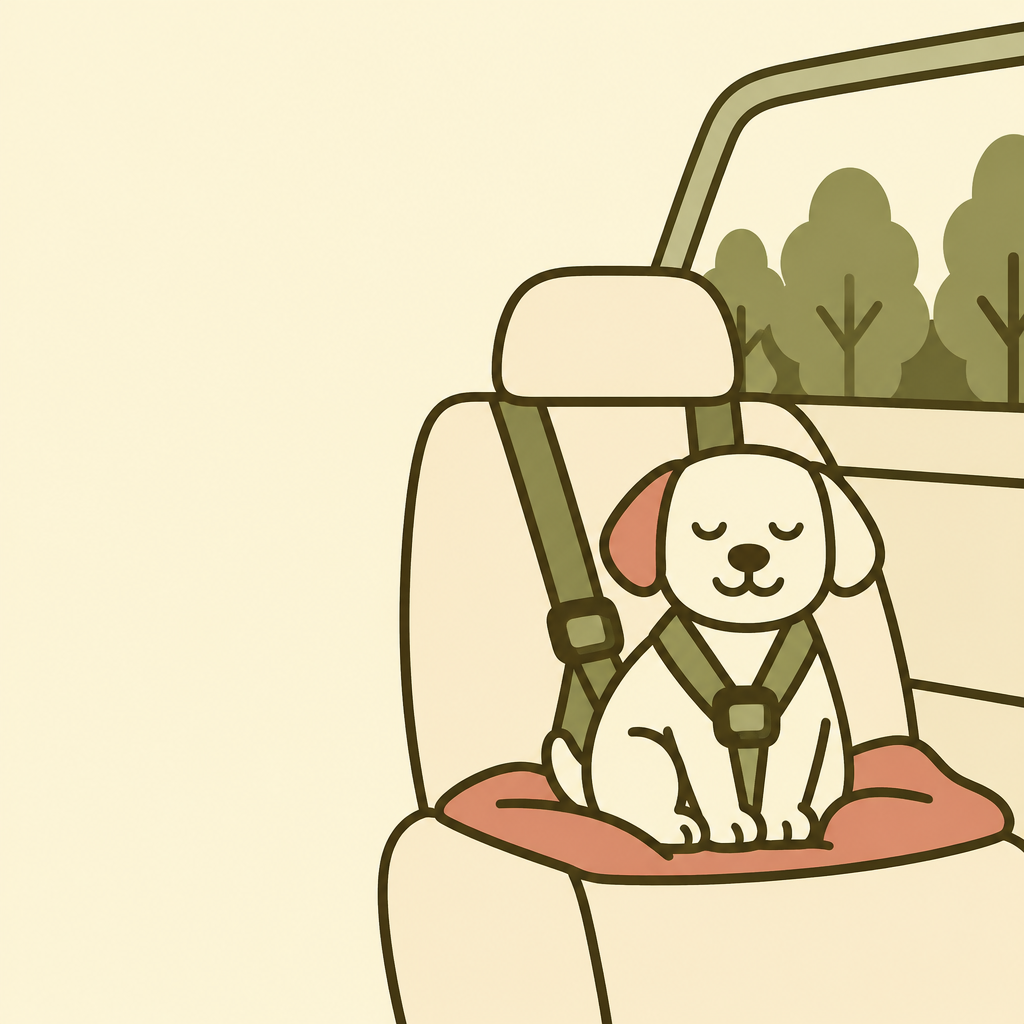
- Long car journeys and holidays, unless you have already worked on the car
- Dog parks, busy cafés and big family gatherings
- Formal obedience classes in a busy hall, though a good force-free trainer can advise by video early on
It is fine to book a trainer in week two. Just choose one who uses reward-based methods and will start with your dog’s confidence rather than a sit-stay.
What progress actually looks like
Not a dog who sits on command in week one. Progress is your dog choosing to lie in the same room as you, taking food from your hand, sleeping with their legs stretched out, or wagging once at the door. Those small choices are the whole foundation, and they come from being left space to make them.
Give it a month of boring, gentle, predictable days, and you will meet the dog who was in there all along.
One more thing that some owners find helps
Flower essences are not a sedative and they will not replace training, distance or a safe space. Plenty of owners still find them a useful, gentle extra on hard days, and they are easy to add to water or food. Ask your vet first if your dog is on any medication, and never use a human calming product on a dog.

Bach RESCUE Remedy pet dropper, 2-pack
A sedative-free flower essence dropper that owners often use alongside a behaviour plan for fireworks, vet trips, travel and settling in.
More picks for this problem
Everything here is part of the calm kit. Take what fits your dog and leave the rest.
 Himax donut bed with blanket$25.99 on Amazon
 Pink puppy playpen, 8 panels$99.99 on AmazonSnuffle mat for dogs$18.99 on AmazonKONG Easy Treat paste, liver$20.48 on AmazonThunderShirt calming vest$45.99 on AmazonWaterproof AirTag collar holder$7.99 on Amazon
With love & gentle paws, Nikki B