What wheel fear looks like
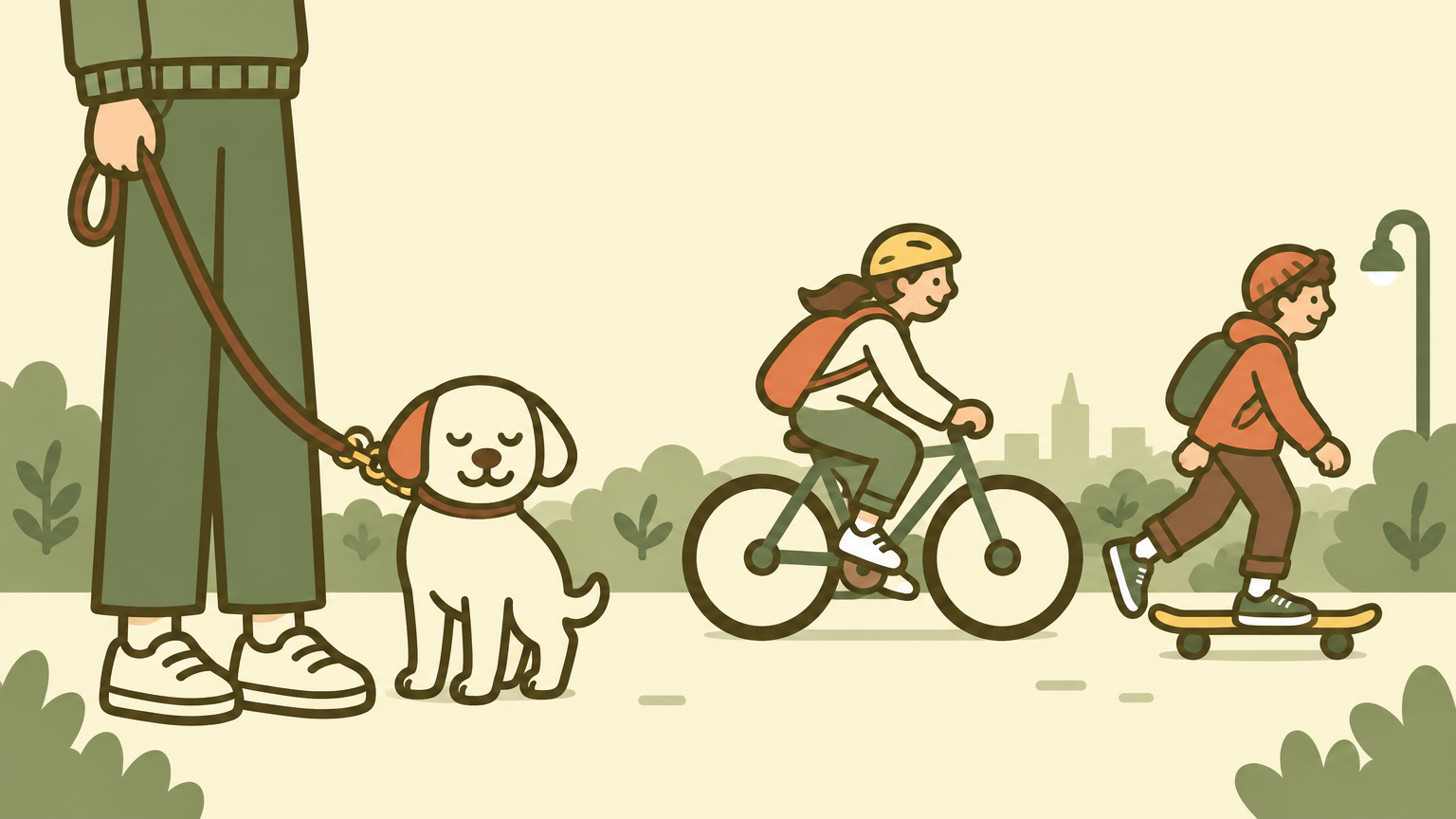
It usually starts long before the barking. A dog who is worried about wheels will often spot them first, stop dead, and stare. The next steps look like this:
- Stiff body, hard stare, ears forward then pinned back as the bike gets close
- Lunging or spinning on the lead, especially as a cyclist passes from behind
- Barking and chasing the moving object once it has gone past
- Refusing to walk on, planting, or dragging you back towards home
- Shaking, drooling or a sudden loss of interest in treats on a busy path
- Freezing at skateboard clatter, then trying to bolt when it repeats
Chasing is often not aggression at all, it is a mix of fear and the same instinct that makes a dog chase a ball. The intensity looks scary, but it comes from feeling unsafe, not from being dominant.
Why wheels are so hard
Three things make wheeled things unusually difficult. They are fast, so the dog has no time to decide. They are unpredictable, because a bike can come from behind or a skateboard can suddenly pop and clatter. And they are silent until they are close: an electric bike or a rollerblade barely makes a sound on tarmac.
There is also the movement itself. Dogs read body language to decide whether something is safe, and a human on a bike is not moving like a human at all. Add a helmet and a bright jacket and the shape becomes genuinely alien.
The everyday toolkit
1. Scan ahead for your dog. You will spot the cyclist before they do. Cross the road, step onto a driveway, put a parked car between you, or turn and walk the other way for twenty metres. Every close pass your dog survives without reacting is a win.
2. Teach “find it”. Say the cue, then scatter a small handful of treats on the ground. Nose down means brain busy, and a dog sniffing cannot be lunging. Practise it at home first, then on quiet walks, then when a bike is a good distance away.
3. Reward looking, not reacting. The moment your dog notices a bike and turns back to you, treat. Repeat until “bike” means “check in with my human” instead of “panic”.
4. Create a U-turn cue. A cheerful “this way!” practised a hundred times on empty streets becomes your emergency exit. Turn, walk briskly, treat, and put distance between your dog and the trigger.
5. Keep your own body calm. Shorten the lead, keep your shoulders soft, breathe out. If you tense up every time you hear a freewheel, your dog will read that as proof something is wrong.
Systematic practice with distance
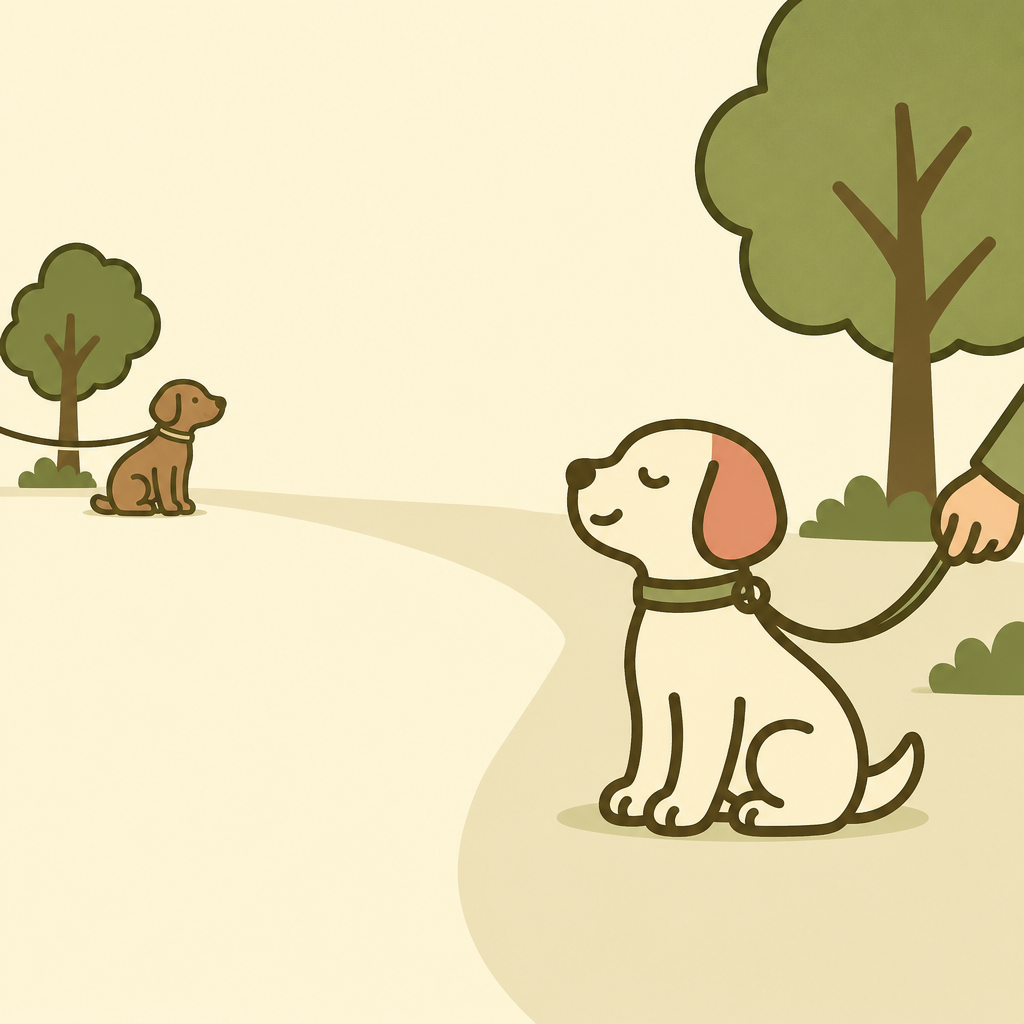
Find a spot where you can watch bikes from far enough away that your dog can still eat treats. A bench at the edge of a park, a quiet corner of a car park, a friend’s front garden. Sit, watch, feed. That is the whole session.
When your dog glances at a passing bike and comes back to you easily, move ten metres closer next time. If your dog stops eating, stares hard, or the body goes stiff, you are too close. Back up, end on a good note, try again another day.
Do not ask your dog to sit and endure a bike passing at close range. Sitting still while frightened is much harder than moving away, and it teaches nothing except that you will not help.

KONG Easy Treat paste, liver
Squeezy paste is easy to feed while you stand at a distance and watch bikes go by.

Relax Rover Buddy Budder calming peanut butter
A peanut butter made for stuffing into a KONG, with added calming ingredients. Check the label with your vet first if your dog has allergies or is on medication.
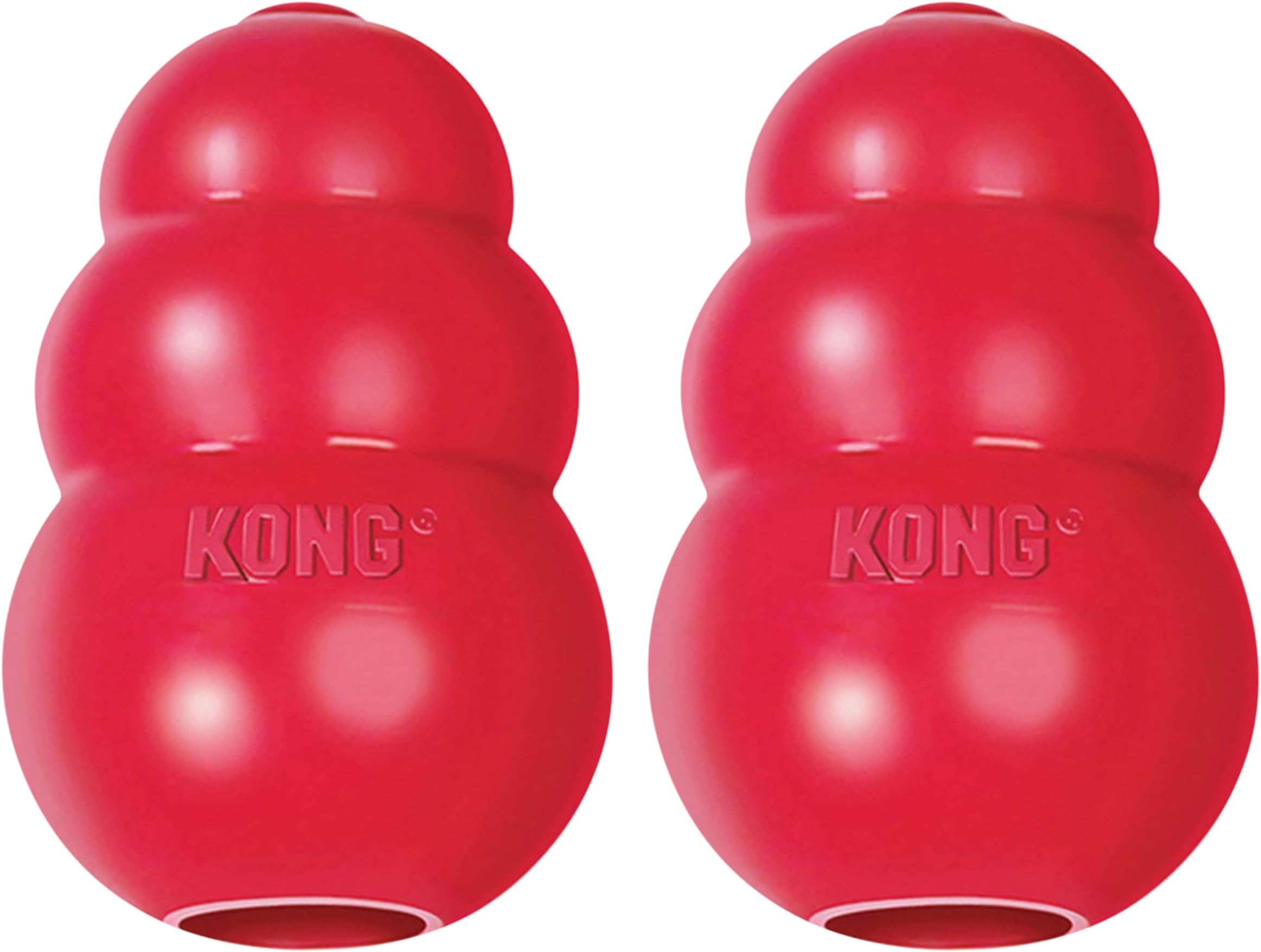
KONG Classic stuffable toy, 2-pack
The classic rubber KONG, in a two-pack so one can be in the wash while the other is filled. Stuff it, freeze it, and it becomes a long, calm job.

ThunderShirt calming vest
Gentle pressure some dogs find grounding on a busy path. Not a substitute for distance.
Choose the walk, not just the training
For now, favour quiet residential streets, park edges, woods and canal paths over seafront promenades, school gates at pick-up time and city centres on a Saturday. Walk early, when the commuter bikes are not out yet.
If a bike does surprise you both, do not shout at the cyclist or at your dog. Get distance, scatter treats, and let the cortisol drain. A dog who has just had a fright needs a slow sniffy walk home, not a telling off.
At home, give the brain something else to do: a snuffle mat, a stuffed toy or a cardboard shredding box. A tired, settled dog has more capacity for scary things tomorrow.
When to bring in help
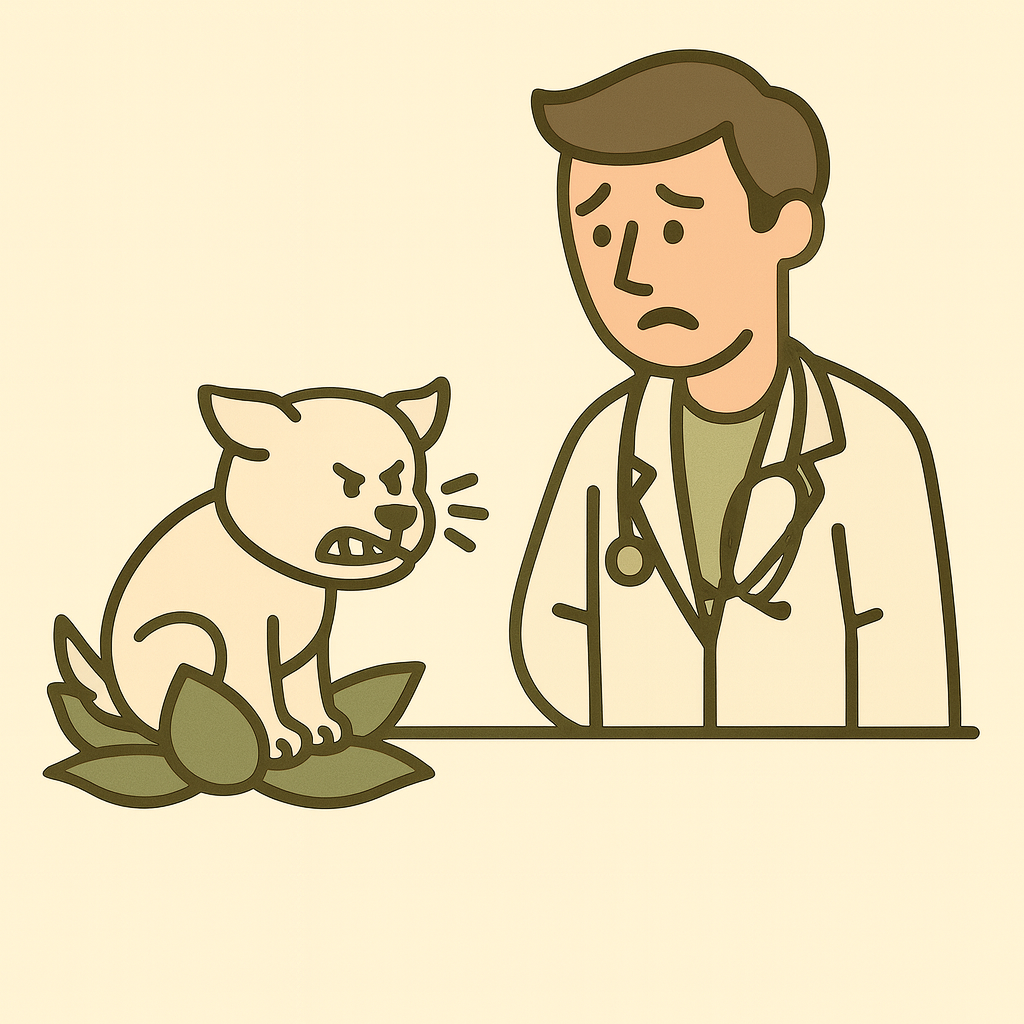
If your dog is lunging hard enough to hurt you, has slipped the lead near traffic, or the fear is growing rather than shrinking, ask your vet for a referral to a certified reward-based behaviourist. For dogs who cannot think at all near wheels, your vet may also discuss short term support so that training has a chance to work.
Most dogs, though, make steady progress with patience and a good pair of eyes on the road ahead. One calm pass at a time.
One more thing that some owners find helps
Flower essences are not a sedative and they will not replace training, distance or a safe space. Plenty of owners still find them a useful, gentle extra on hard days, and they are easy to add to water or food. Ask your vet first if your dog is on any medication, and never use a human calming product on a dog.

Bach RESCUE Remedy pet dropper, 2-pack
A sedative-free flower essence dropper that owners often use alongside a behaviour plan for fireworks, vet trips, travel and settling in.
More picks for this problem
Everything here is part of the calm kit. Take what fits your dog and leave the rest.
ThunderShirt calming vest$45.99 on Amazon Happy Hoodie calming band$13.99 on Amazon
 Snuffle mat for dogs$18.99 on Amazon
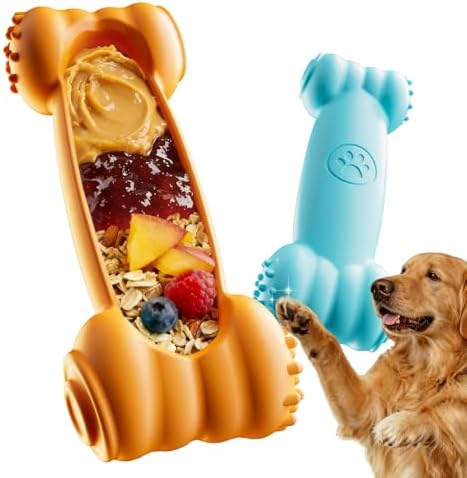 Freeze lick toys, 2-packSee price on Amazon
 LED light-up dog collar$12.32 on Amazon
With love & gentle paws, Nikki B